
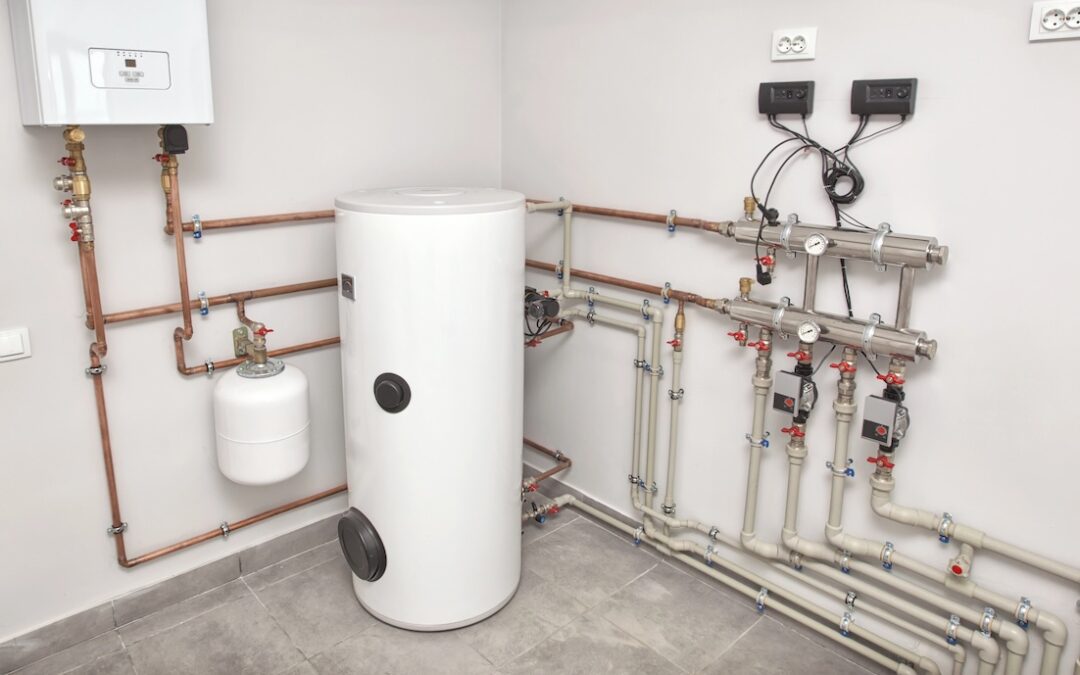
Many Chicagoland homes, especially older bungalows and two-flats, still heat with boilers and radiators. When they work, they deliver a steady, comfortable warmth that forced air can’t quite match. But a boiler is a pressurized system with moving parts, and it needs regular attention to run safely through a long Illinois winter. The good news is that routine boiler maintenance is manageable, and a few checks can prevent the cold-morning breakdowns nobody wants. Here’s what you can do yourself and what to leave to a professional.
Boiler Maintenance Checks You Can Do Yourself
Start by looking at the boiler itself. You shouldn’t see drips, puddles, rust, or heavy corrosion around the unit and the nearby pipes. On a hot water system, read the pressure gauge when the boiler is cold, since many systems sit between about 12 and 15 psi, and check your manual for the right number. On a steam system, check the water level in the gauge glass. Keep about three feet of clear space around the boiler, and make sure the flue and combustion air openings are not blocked. Listen for banging, gurgling, or kettle-like sounds, and keep carbon monoxide alarms working nearby. Raise the thermostat a few degrees and confirm the boiler responds. Write down what you find each month so you can spot changes. If the boiler shows an error code or shuts off repeatedly, note the code before resetting it so the technician has useful information.
Bleed and Balance Your Radiators
When the top of a hot water radiator stays cold while the bottom is warm, trapped air is usually the cause. Turn the heat off, open the bleed valve at the top with a radiator key until a steady stream of water appears, and then close it. Check the system pressure afterward. Steam radiators work differently, and you shouldn’t bleed them. Instead, check the air vents, which can clog and keep a radiator from heating. Good boiler maintenance also means keeping radiators clear of furniture and long curtains, dusting between the fins, and placing reflective panels behind radiators on exterior walls. If a radiator drips at the valve, tightening the packing nut a quarter turn can stop it, but anything more serious needs a plumber.
Boiler Maintenance Habits That Cut Energy Costs
Small improvements can reduce your heating bill. Insulate exposed supply and return pipes in the basement so heat reaches the radiators instead of the crawl space. Keep thermostat settings steady, since boilers respond slowly and big setbacks can mean long recovery times. Ask your technician about outdoor reset controls, which adjust water temperature based on the weather, and about flushing sediment from a hot water system. Keep the boiler room clean and dry, and don’t store paint, solvents, or cleaning products nearby. If you have a leak, even a slow one, fix it promptly, because it can lead to corrosion and low water conditions. A programmable thermostat designed for hydronic heat can start heating earlier so the house reaches your target temperature on time.
Schedule Professional Service and Know the Warning Signs
A licensed technician should service the boiler every year before the heating season. The visit typically includes a combustion analysis, burner and control checks, safety valve testing, and a look at the heat exchanger, flue, and expansion tank. Annual boiler maintenance catches carbon monoxide risks and small problems before they stop the heat in January. Call right away if you notice no heat, pooling water, rusty water, yellow flames, soot, strange smells, or frequent resets. Boilers often last fifteen to thirty years depending on type and care, so keep service records and plan for replacement as yours ages. Ask the technician to explain what they found and what to watch for before next year.
Frequently Asked Questions (FAQs)
How often should a boiler be serviced?
Once a year, before the heating season starts. A yearly visit catches safety issues and small problems before they leave you without heat in January.
Why are the tops of my radiators cold?
Trapped air is a common cause on hot water systems. Bleed the radiator with a key, and check the system pressure afterward. Steam radiators need their air vents checked instead.
What pressure should a hot water boiler have?
Many sit between 12 and 15 psi when cold, but your manual and a technician are the best guides. Pressure that keeps dropping may signal a leak.
How long does a boiler last?
Often fifteen to thirty years, depending on the type and how well it’s maintained. Cast iron units tend to last longer than lighter-weight modern ones.
Is banging in the pipes normal?
Some expansion noise is normal as pipes heat. Loud banging, gurgling, or kettle-like sounds deserve a professional’s attention, since they can signal trapped air or scale.
Rambo Inspection Services provides home inspections and air quality testing in the Chicagoland area. Contact us to schedule our services.