Of all the systems in a home, plumbing is the one most homeowners give the least attention to until something fails dramatically. A burst pipe, a backed-up sewer line, or a water heater that stops working on a cold morning gets immediate attention, but the plumbing maintenance habits that prevent those events rarely get established until after the first expensive emergency.
Why Plumbing Maintenance Pays Off Over Time
Water damage is consistently one of the most expensive categories of residential repair. Slow leaks behind walls, under sinks, and around toilet bases cause damage that compounds quietly for months before becoming visible. Consistent plumbing maintenance isn’t glamorous, but it’s one of the highest-return habits a homeowner can build. Regular maintenance also improves efficiency. A water heater with sediment buildup works harder and costs more to operate. Partially clogged drains stress pipes. Fixtures with worn washers drip continuously, adding to water bills month after month. Plumbing maintenance addresses these inefficiencies before they become failures.
Drain and Sewer Maintenance
Drains are the part of the plumbing system homeowners interact with most frequently and maintain least consistently. Hair, soap scum, grease, and organic matter accumulate in pipes and p-traps over time, reducing flow and making blockages increasingly likely. A slow drain is a warning. Pour boiling water down kitchen drains monthly to dissolve grease. Use a drain strainer in showers and tubs to capture hair before it reaches the pipe. Clean p-traps under sinks annually. Avoid chemical drain cleaners as a maintenance tool; they damage older pipes and don’t address buildup the way mechanical cleaning does.
For homes on a sewer system, periodic professional drain cleaning every two to three years keeps the main line clear before backup conditions develop. A sewer scope inspection that runs a camera through the main line gives accurate visibility into line condition and identifies root intrusion or pipe damage before it causes a backup.
Water Heater Plumbing Maintenance
The water heater is the most maintenance-neglected major appliance in most homes. Sediment accumulates at the bottom of tank-style heaters over time, reducing heating efficiency and shortening the unit’s lifespan. Flushing the water heater annually removes this sediment and takes about 20 minutes with a garden hose. Shut off the power or gas supply, attach a hose to the drain valve, run it to a safe drainage point, and open the valve until the water runs clear. This single task extends the water heater’s useful life by years. Test the temperature and pressure relief valve (T&P valve) annually. This safety device releases pressure if the tank reaches dangerous levels. A failed T&P valve on an overheated tank is genuinely dangerous. Testing involves lifting the valve lever briefly to confirm it releases water. If it doesn’t release or releases and won’t reseat, replace it immediately.
Fixture and Supply Line Plumbing Maintenance
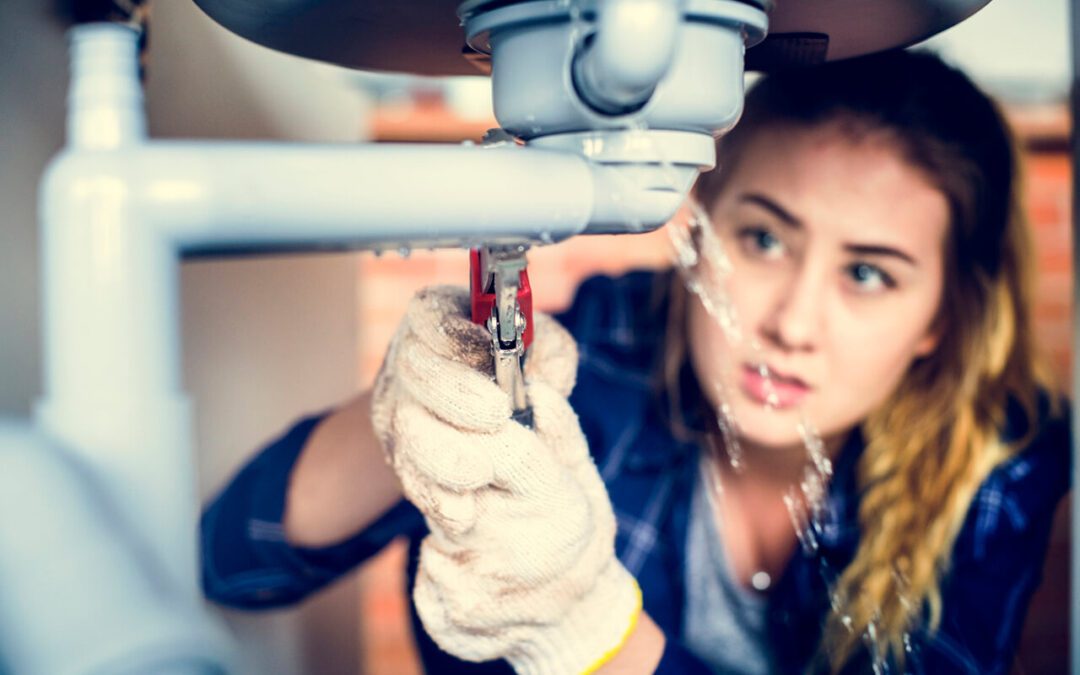
Faucets, toilets, and supply lines are the plumbing components most accessible to homeowners and where regular attention produces the most visible results. A dripping faucet that loses one drip per second wastes thousands of gallons annually, but a worn washer or cartridge replacement costing a few dollars resolves it. Inspect supply lines under sinks, behind toilets, and to the washing machine and dishwasher annually. Supply lines fail eventually, often without warning. A failed supply line under a sink can release significant water volume quickly. Replacing supply lines proactively every seven to ten years, or immediately if any bulging, corrosion, or stiffness is visible. Check toilet flappers and fill valves regularly for the running sound indicating a leak between the tank and bowl. A running toilet can waste hundreds of gallons per day.
Frequently Asked Questions (FAQs)
How often should I have my plumbing professionally inspected?
A professional plumbing inspection every two to three years is reasonable for most homes, with annual inspections warranted for homes over 30 years old, those with known plumbing issues, or properties in areas with particularly hard water.
What are the most common plumbing maintenance tasks homeowners skip?
Water heater flushing, toilet flapper inspection, supply line replacement, and p-trap cleaning are the most consistently overlooked tasks. These are all simple, low-cost, DIY-manageable steps with meaningful impact on plumbing longevity and water efficiency.
How do I know if my water pressure is too high?
Normal residential water pressure is 40 to 80 PSI. Pressure above 80 PSI stresses pipes, fittings, and appliance connections. A water pressure gauge that attaches to a hose bib costs about $10 and gives an immediate reading. If pressure is above 80 PSI, a pressure reducing valve (PRV) adjustment or replacement is warranted; a plumber can assess and correct this in a short visit.
What should I do before leaving home for an extended period?
Shutting off the main water supply before any absence of more than a few days eliminates the risk of a leak causing water damage while no one is home. In cold climates, maintain indoor temperature above 55°F to prevent pipe freezing even with the water shut off.
How do I find a slow leak in my home plumbing?
Check your water meter reading, avoid using any water for two hours, then check again. If the reading has changed, water is moving through the system, indicating a leak. Checking under sinks, around toilet bases, behind the washing machine, and near the water heater covers the most common locations. In-wall leaks produce staining, bubbling, or soft spots in drywall, often accompanied by a musty odor. Any suspected in-wall leak warrants professional investigation rather than waiting for visible signs to worsen.
Rambo Inspection Services provides home inspections in the Chicagoland area. Contact us to schedule our services.